

When a trusted family member or agent abuses a power of attorney, the consequences can be devastating for the principal and their estate. Understanding what is the penalty for abuse of power of attorney in Florida is critical for families seeking to protect vulnerable loved ones and hold wrongdoers accountable.
What Power of Attorney Abuse Looks Like Under Florida Law
A power of attorney grants one person (the agent or attorney-in-fact) legal authority to act on behalf of another (the principal). When that agent exceeds their authority, acts in their own interest, or otherwise violates their fiduciary duty, abuse has occurred. Florida law imposes strict duties on agents under Chapter 709 of the Florida Statutes, and violations trigger both civil and criminal penalties.
Abuse commonly takes the form of unauthorized withdrawals, self-dealing, commingling of funds, or outright theft. In Columbia Bank v. Heather Johnson Turbeville, 143 So. 3d 964 (Fla. Dist. Ct. App.), the court held that “although a daughter, who was on a joint account with her mother, was authorized to withdraw the funds, she was not authorized to use the funds for her personal benefit.” This principle extends to powers of attorney: access does not equal ownership, and agents must act solely for the principal’s benefit.
Another instructive case is Ames v. Ames, 204 So. 3d 132 (Fla. Dist. Ct. App.), where “the appellee, the father of the appellant, claims that his sons liquidated all of his assets, using a power-of-attorney executed by the father when he was found to be incompetent to stand trial.” This scenario illustrates the heightened risk when principals are incapacitated and unable to monitor their agents.
Common forms of power of attorney abuse include:
- Using the principal’s funds to pay the agent’s personal expenses
- Transferring assets to the agent or third parties without authorization
- Making gifts to the agent or their family members
- Selling or encumbering the principal’s property for the agent’s benefit
- Failing to keep accurate records of transactions
- Commingling the principal’s assets with the agent’s own funds
- Continuing to act after the power of attorney has been revoked or terminated
Civil Penalties and Liability for Abuse of Power of Attorney
When an agent violates their fiduciary duties under a power of attorney, Florida law provides several civil remedies that can result in significant financial liability and other consequences.
Breach of Fiduciary Duty Claims
The most common civil action is a lawsuit for breach of fiduciary duty. An agent under a power of attorney owes the principal duties of loyalty, good faith, and full disclosure. When an agent acts in their own interest rather than the principal’s, uses the principal’s assets for unauthorized purposes, or fails to keep proper records, they have breached these duties. Successful plaintiffs can recover actual damages equal to the losses caused by the breach, often including the value of misappropriated assets, lost investment returns, and expenses incurred in unwinding improper transactions.
Surcharge and Disgorgement
Florida courts have the authority to surcharge an agent who has misused their authority. A surcharge is a personal monetary judgment against the agent for losses to the estate. Courts may also order disgorgement, requiring the agent to return any profits or benefits they obtained through their breach of duty, even if those gains exceed the principal’s actual losses. This equitable remedy prevents agents from profiting from their misconduct.
Removal of the Agent
Courts can remove an agent who has abused their authority and appoint a successor or, if necessary, initiate guardianship proceedings. Removal protects the principal from ongoing harm and prevents the agent from accessing the principal’s assets. This remedy is particularly important when the principal lacks capacity to revoke the power of attorney themselves.
Attorneys’ Fees and Costs
Florida law allows successful plaintiffs to recover their attorneys’ fees and costs in power of attorney abuse cases. This provision, found in Fla. Stat. § 709.2120, helps family members afford the expense of litigation and acts as a deterrent to would-be abusers. The court may award fees from the agent’s personal assets or from any estate they might have inherited, ensuring they bear the full cost of their misconduct.
Constructive Trust and Equitable Remedies
When an agent has transferred the principal’s property to themselves or third parties, courts can impose a constructive trust on those assets. This equitable remedy treats the wrongdoer as holding the property in trust for the rightful owner, allowing for the recovery of specific assets rather than mere monetary damages. Constructive trusts are particularly useful when the agent has dissipated cash but still holds real property, vehicles, or other traceable assets purchased with the principal’s funds.
Criminal Penalties for Power of Attorney Abuse in Florida

Beyond civil liability, agents who abuse their power of attorney face potential criminal prosecution under Florida law. The severity of criminal penalties depends on the value of assets misappropriated and the specific charges filed.
Exploitation of an Elderly Person or Disabled Adult
Florida Statute § 825.103 specifically criminalizes the exploitation of elderly persons (age 60 and older) and disabled adults. When an agent uses their authority under a power of attorney to misappropriate an elderly or disabled principal’s assets, they can be charged with exploitation. The penalties escalate based on the value taken:
- Less than $10,000: third-degree felony, punishable by up to five years in prison
- $10,000 to $50,000: second-degree felony, punishable by up to 15 years in prison
- $50,000 or more: first-degree felony, punishable by up to 30 years in prison
These charges carry mandatory minimum sentences in many cases, and prosecutors throughout Florida have established dedicated elder exploitation units to pursue such cases aggressively.
Theft, Fraud, and Grand Theft
Even when the victim is not elderly or disabled, an agent who steals from a principal can face prosecution for theft or grand theft under Florida Statute § 812.014. Grand theft in the first degree (property valued at $100,000 or more) is a first-degree felony carrying up to 30 years in prison. Agents may also face charges for scheme to defraud under Florida Statute § 817.034 if their conduct involved a systematic pattern of misappropriation.
Forgery and Fraudulent Use of Personal Identification
When agents exceed their authority by forging documents or using the principal’s identity to conduct unauthorized transactions, they may face additional charges under Florida’s forgery statutes (Fla. Stat. § 831.01) or fraudulent use of personal identification information (Fla. Stat. § 817.568). These offenses can be charged alongside exploitation or theft counts, resulting in consecutive sentences.
Restitution Orders
In addition to incarceration, convicted agents face mandatory restitution orders requiring them to repay stolen funds. Unlike civil judgments, criminal restitution is not dischargeable in bankruptcy, and failure to pay can result in probation violations and additional jail time. Courts can also impose fines ranging from $5,000 to $15,000 depending on the degree of the felony.
When Abuse Does Not Result in Criminal Charges
Not every breach of fiduciary duty rises to the level of criminal conduct. Prosecutors generally require clear evidence of criminal intent, that the agent knowingly and intentionally misappropriated funds for their own benefit. Cases involving poor judgment, negligent record-keeping, or good-faith mistakes typically remain in the civil arena.
For example, an agent who pays their own credit card bill believing it was the principal’s similar account number may face civil liability for the error but would not face criminal charges absent proof of intentional theft. Similarly, an agent who makes an unauthorized gift genuinely believing it was in the principal’s best interest may face civil consequences without criminal prosecution.
However, the line between civil and criminal conduct can be thin. Agents who make unauthorized “loans” to themselves, take “temporary” withdrawals they intend to repay, or provide weak explanations for expenditures often find themselves facing both civil suits and criminal investigations. The key factor is whether the state can prove beyond a reasonable doubt that the agent acted with criminal intent to deprive the principal of their property.
Defenses to Power of Attorney Abuse Allegations
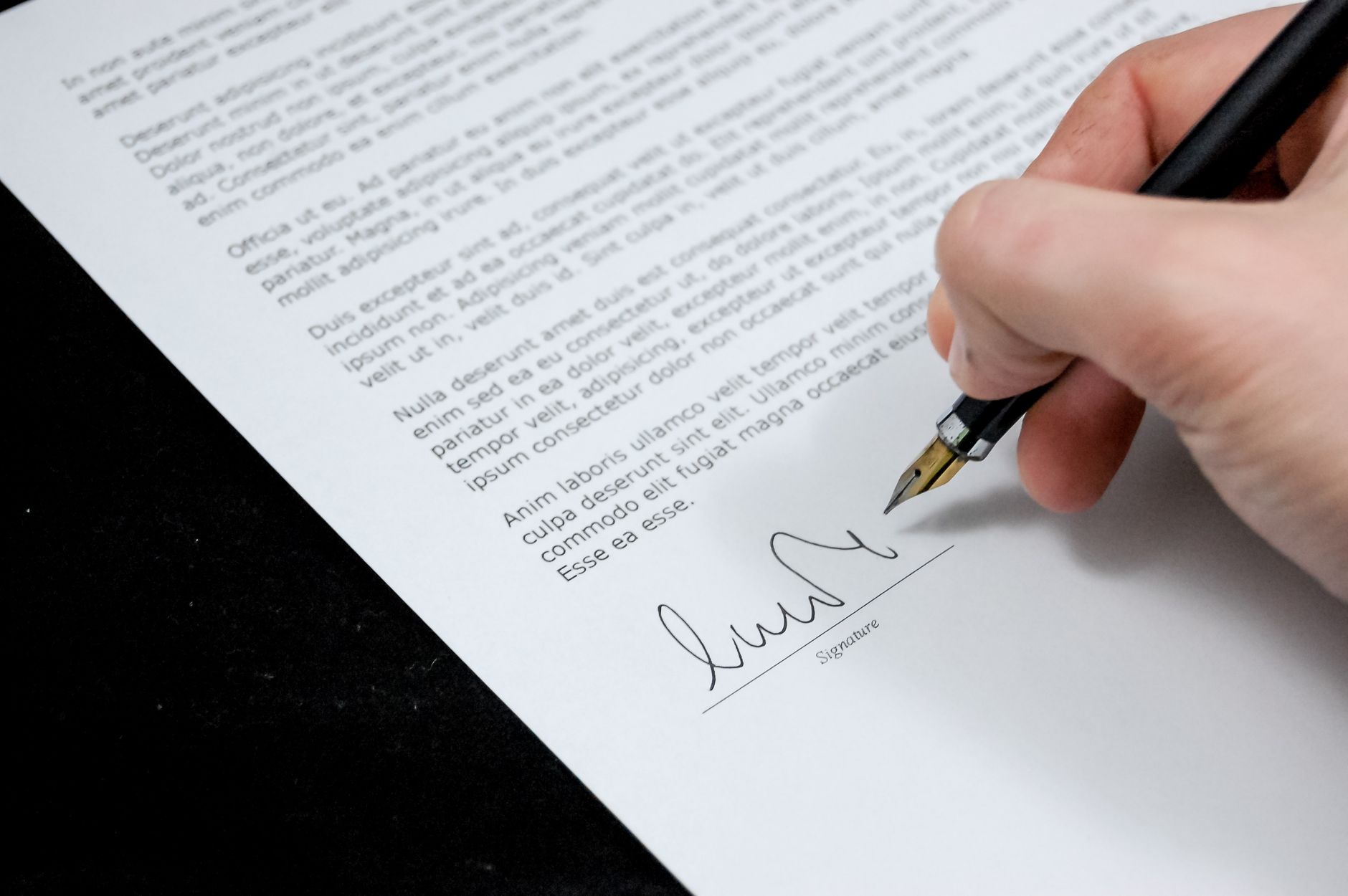
Accused agents may raise several defenses to abuse allegations, though success depends heavily on documentation and the specific facts of each case.
Authorization in the Power of Attorney Document
The most straightforward defense is that the power of attorney expressly authorized the contested actions. Florida law permits principals to grant broad or narrow authority, and some powers of attorney specifically authorize gifts, self-compensation, or other acts that might otherwise constitute abuse. Agents must point to specific language in the document granting the authority they exercised. General language or boilerplate provisions rarely suffice when substantial assets are at stake.
Consent or Ratification by the Principal
An agent may argue that the principal knew of and approved the transactions at issue. This defense requires proof that the principal had capacity at the time of consent, was fully informed of the nature of the transactions, and freely agreed without undue influence. Courts scrutinize these claims carefully, particularly when the principal was elderly, ill, or dependent on the agent. Documentation such as contemporaneous emails, letters, or recordings substantially strengthens this defense.
The Transactions Benefited the Principal
Agents sometimes argue that challenged expenditures actually benefited the principal, even if the agent also received some benefit. For instance, an agent who used the principal’s funds to pay household expenses for a home where both lived might argue the payments were proper. However, the agent bears the burden of proving that each expenditure was reasonable, necessary, and primarily for the principal’s benefit. Mixed-motive expenditures require detailed accounting and allocation between the principal’s and agent’s portions.
Statute of Limitations
Civil claims for breach of fiduciary duty are generally subject to a four-year statute of limitations under Florida law, though discovery of the breach may toll the limitations period. Criminal charges for exploitation, theft, and fraud carry their own limitation periods, typically three to five years depending on the specific offense and its classification as a felony or misdemeanor. Agents sometimes successfully argue that claims are time-barred, particularly when family members delayed in bringing suit after becoming aware of suspicious activity.
Additional Consequences Beyond Legal Penalties
The formal legal penalties discussed above do not capture the full range of consequences facing agents who abuse their authority.
Disinheritance and Will Contests
Principals who discover abuse during their lifetime frequently revoke their wills and trust documents to disinherit the offending agent. Even after death, family members may challenge estate planning documents on grounds that the agent exercised undue influence to secure favorable bequests. An agent’s abuse of a power of attorney provides powerful circumstantial evidence of their willingness to manipulate the principal, supporting undue influence claims in will contests.
Impact on Professional Licenses
Agents who hold professional licenses (attorneys, accountants, financial advisors, healthcare providers) face disciplinary proceedings before their licensing boards. Convictions for theft, fraud, or exploitation typically result in license suspension or revocation. Even civil findings of breach of fiduciary duty can trigger professional discipline, effectively ending careers built over decades.
Bankruptcy and Financial Ruin
Judgments for breach of fiduciary duty are generally not dischargeable in bankruptcy. Agents ordered to repay hundreds of thousands in misappropriated funds plus attorneys’ fees and costs often face financial ruin extending for the remainder of their lives. Even those who attempt bankruptcy find that fraud-based debts survive discharge under 11 U.S.C. § 523.
Family Estrangement and Social Consequences
Beyond legal and financial penalties, agents who abuse their authority often face permanent estrangement from family members and loss of reputation in their communities. Lawsuits and criminal proceedings become matters of public record, and small communities quickly learn of allegations and convictions. The social consequences can be as severe as the legal ones, particularly for agents who valued their standing in family and community life.
Preventing Power of Attorney Abuse

While penalties exist to punish abuse, prevention remains the best protection. Principals and their families can take several steps to minimize the risk of abuse and detect it early when it occurs.
Careful Selection of Agents
The choice of agent is the single most important decision in executing a power of attorney. Principals should select agents who have demonstrated financial responsibility, honesty, and the ability to keep detailed records. Family relationship alone should not determine the choice, a financially irresponsible child or a sibling with a history of poor judgment may not be the best selection despite emotional ties. Some principals benefit from naming co-agents who must act jointly, creating a system of checks and balances.
Limited and Specific Grant of Powers
Florida law permits principals to tailor powers of attorney to grant only specific authorities needed for particular purposes. A principal who simply needs help paying bills need not grant authority to sell real estate or make gifts. By limiting the scope of the agent’s powers, principals reduce opportunities for abuse. Attorneys drafting powers of attorney should discuss with clients exactly what powers are necessary and include only those authorities.
Third-Party Notification and Monitoring
Florida Statute § 709.2116 authorizes principals to designate persons to receive copies of the agent’s accountings. Family members, attorneys, or professional fiduciaries can serve as monitors, reviewing financial statements and questioning unusual transactions. Regular accountings (quarterly or annually) allow for timely detection of problems before substantial assets disappear. The power of attorney document can require the agent to provide these accountings as a condition of their authority.
Bank Notification Under Florida Statute § 655.78
Florida Statute § 655.78 requires financial institutions to report suspected exploitation of elderly or vulnerable adults to the Department of Children and Families and local law enforcement. Banks and credit unions train their staff to recognize red flags such as unusual withdrawals, sudden changes in account activity, or an agent’s reluctance to allow the principal access to account information. When financial institutions file reports, investigations often begin before the entire estate is depleted. Principals should ensure their banks have current contact information for trusted family members who can be notified if concerns arise.
Regular Review and Updates
Powers of attorney should be reviewed periodically, particularly after major life changes such as divorce, remarriage, death of named agents, or deterioration of relationships with family members. A power of attorney executed decades ago naming an agent who is no longer trustworthy or capable invites abuse. Regular review allows principals to revoke outdated documents and execute new ones naming more appropriate agents.
What to Do If You Suspect Power of Attorney Abuse
Family members who suspect an agent is abusing their authority should act quickly to protect the principal’s interests and preserve evidence.
Document Everything
Gather bank statements, credit card bills, property records, and any other financial documents showing unusual transactions. Note dates, amounts, and the nature of suspicious expenditures. If possible, obtain copies of the power of attorney document itself to determine what authorities were actually granted. This evidence will be critical in any civil or criminal proceeding.
Report to Adult Protective Services
Florida’s Department of Children and Families operates an Adult Protective Services program that investigates reports of exploitation, abuse, and neglect of vulnerable adults. Reports can be made 24/7 through the Florida Abuse Hotline at 1-800-96-ABUSE (1-800-962-2873). APS investigators have authority to interview the principal, review financial records, and refer cases for criminal prosecution when appropriate. Reporting triggers protective measures and creates an official record of the concerns.
Consult with an Experienced Elder Law Attorney
Power of attorney abuse cases involve complex overlapping issues of estate planning, probate, guardianship, and elder law. An experienced attorney can evaluate the evidence, determine what legal claims are available, and advise on the best strategy for protecting the principal’s interests. In many cases, a strongly-worded letter from counsel demanding an accounting and cessation of improper conduct can halt abuse before litigation becomes necessary. When litigation is required, early involvement of counsel preserves evidence and prevents the agent from dissipating remaining assets. Learn more about agent responsibilities and what to do if you suspect abuse.
Consider Emergency Guardianship
When the principal lacks capacity to revoke the power of attorney and the agent’s abuse is ongoing, family members may need to seek emergency guardianship. Florida courts can appoint a temporary guardian within days when substantial evidence shows that the principal faces imminent harm from financial exploitation. The guardian can then revoke the power of attorney, secure the principal’s assets, and pursue legal action against the former agent. Understanding when guardianship becomes necessary is critical for protecting vulnerable adults.
File Civil Claims Promptly
Do not wait to file civil claims for breach of fiduciary duty. Delay allows the agent to dissipate assets, obscure records, and move property beyond the court’s reach. Prompt filing also allows for emergency remedies such as temporary injunctions freezing bank accounts and preventing transfer of real property. Courts take these cases seriously when presented with clear evidence of ongoing abuse and imminent harm. Additional information on the duty to preserve assets can help families understand what legal obligations agents have violated.
Common Questions About Power of Attorney Abuse Penalties
What is considered abuse of power?
Abuse of power under a power of attorney occurs when an agent acts outside the scope of their authority, uses the principal’s assets for the agent’s personal benefit, fails to act in the principal’s best interest, or otherwise violates their fiduciary duties. Common examples include unauthorized withdrawals for the agent’s expenses, gifts to the agent or their family, sale of the principal’s property below fair market value to benefit the agent, and failure to maintain adequate records. Even actions that technically fall within the agent’s granted authority may constitute abuse if done in bad faith or for improper purposes. The key is whether the agent acted loyally and solely for the principal’s benefit.
How long is power of attorney valid in the US?
In Florida and most U.S. states, a durable power of attorney remains valid until the principal dies, revokes it, or a court invalidates it. The term “durable” means the power of attorney continues even if the principal becomes incapacitated. Some powers of attorney are “springing,” meaning they only become effective upon the principal’s incapacity as determined by specified methods. A non-durable power of attorney terminates when the principal becomes incapacitated. The power of attorney document itself may specify an expiration date, though this is uncommon for estate planning documents. In Florida, a power of attorney executed before October 1, 2011, remains valid under the law in effect when it was executed, but agents should be aware that third parties sometimes refuse to honor very old documents.
What are some examples of abuse of power?
Real-world examples of power of attorney abuse include: an agent writing checks to pay their own credit card bills and mortgage from the principal’s account; transferring the principal’s home into the agent’s name or adding the agent as a joint owner; making cash withdrawals for the agent’s personal use; giving away the principal’s property to the agent’s children; selling the principal’s assets below market value to the agent or the agent’s associates; using the principal’s funds to purchase vehicles or property titled in the agent’s name; paying for the agent’s vacations, entertainment, or luxury purchases; and depleting the principal’s accounts to prevent other family members from inheriting. In the Ames case, 204 So. 3d 132, the agents allegedly “liquidated all of his assets” using the power of attorney when the principal was incompetent. Each of these scenarios involves the agent prioritizing their own interests over the principal’s welfare.
How much are attorney fees in the USA?
Attorney fees for power of attorney abuse cases in Florida vary widely based on the complexity of the case, the amount at stake, and the attorney’s experience. Many elder law and probate litigation attorneys charge hourly rates ranging from $300 to $600 per hour. A straightforward case involving clear evidence of abuse and minimal discovery might result in total fees of $15,000 to $40,000. Complex cases requiring extensive document review, depositions, expert witnesses, and trial can easily exceed $100,000 in fees and costs. However, Florida law allows successful plaintiffs to recover their attorneys’ fees from the wrongdoing agent under Fla. Stat. § 709.2120, meaning that families who prevail often recover their legal expenses as part of the judgment. Some attorneys offer initial consultations at no charge or reduced rates to evaluate cases and discuss fee arrangements. Contingency fees (where the attorney receives a percentage of the recovery) are less common in these cases but sometimes available depending on the specific facts and amount at issue.
Can an agent under a power of attorney be criminally prosecuted even if they return the money?
Yes. Returning stolen funds may be considered by prosecutors and judges in determining whether to file charges and what sentence to impose, but voluntary restitution does not eliminate criminal liability. The crime is complete when the agent misappropriates the principal’s funds with criminal intent. Subsequent return of the money may demonstrate remorse and reduce the likelihood of incarceration, but it does not negate the elements of the offense. In practice, prosecutors are more likely to decline charges or offer favorable plea agreements when full restitution is made promptly. However, agents should not assume that repayment alone will prevent prosecution, particularly in cases involving elderly victims or large sums.
Bottom Line: Protecting Your Family from Power of Attorney Abuse
Understanding what is the penalty for abuse of power of attorney is essential for anyone involved in Florida estate planning or elder care. Agents face serious civil and criminal consequences, including removal, surcharge, disgorgement, attorneys’ fees, theft charges, and prosecution for exploitation of the elderly. These penalties reflect Florida’s strong public policy protecting vulnerable adults from financial predators, even when those predators are family members acting under color of legal authority.
Prevention through careful agent selection, limited grants of authority, and regular monitoring remains the best protection. When abuse occurs, swift action to document the misconduct, report to authorities, and engage experienced legal counsel can minimize losses and hold wrongdoers accountable. For more information on fiduciary abuse and statutory remedies, consult with an attorney familiar with Florida’s power of attorney laws.
If you suspect that an agent has abused a power of attorney, or if you need guidance in selecting and appointing an appropriate agent for your own estate plan, contact Zoecklein Law, P.A. at (877) 206-0022 to schedule a consultation. Our experienced Florida elder law and probate litigation attorneys can evaluate your situation, explain your legal options, and help you protect your family’s interests. Time is critical in these cases, the sooner you act, the more assets can be preserved and the stronger your legal position will be.
Authorities Cited
- Ames v. Ames, 204 So. 3d 132 (Fla. Dist. Ct. App.)
- Columbia Bank v. Heather Johnson Turbeville, 143 So. 3d 964 (Fla. Dist. Ct. App.)
- 11 U.S.C. § 523 (Bankruptcy Code exceptions to discharge)
- Fla. Stat. § 655.78 (Financial institution reporting of suspected exploitation)
- Fla. Stat. § 709.2116 (Notification of third parties)
- Fla. Stat. § 709.2120 (Attorneys’ fees in power of attorney actions)
- Fla. Stat. § 812.014 (Theft and grand theft)
- Fla. Stat. § 817.034 (Scheme to defraud)
- Fla. Stat. § 817.568 (Fraudulent use of personal identification)
- Fla. Stat. § 825.103 (Exploitation of elderly person or disabled adult)
- Fla. Stat. § 831.01 (Forgery)
- Fla. Stat. Chapter 709 (Florida Power of Attorney Act)