
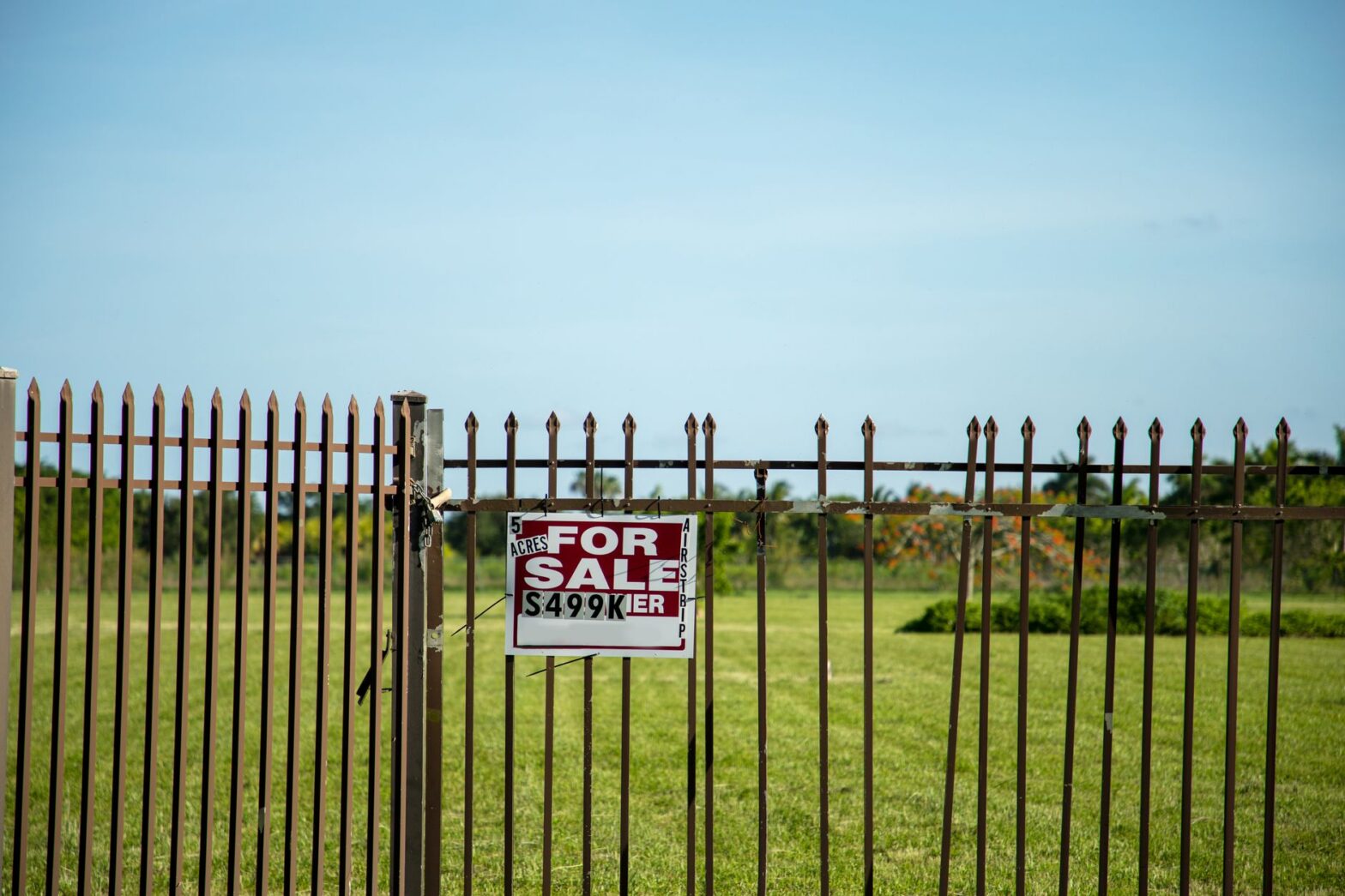
When a parent dies without a trust or clear deed instructions, the house often passes to two, three, or more siblings as co-owners, a situation known as Florida heirs property inherited home partition. If one heir wants to sell and another wants to keep living there, the law gives you a way to force a resolution, but it doesn’t always work the way families expect.
What Florida Heirs’ Property Is
“Heirs’ property” is not a formal legal term in the Florida Statutes, it’s a description used by courts, title companies, and lawyers for real estate that passes to multiple family members at death, usually through intestacy (no will) or a will that leaves the property to “my children in equal shares.” Under Fla. Stat. § 732.401, if a decedent is survived by a spouse and descendants, the homestead may pass as a life estate to the surviving spouse with a vested remainder to the descendants, or as a tenancy in common depending on the family structure and any election made. Either way, the result is the same headache: several people now own undivided interests in one house, and none of them can sell, refinance, or even repair the roof without either unanimous agreement or a court order.
Florida’s probate code also allows a personal representative to seek authority to sell estate real property during administration under Fla. Stat. § 733.815, which governs agreements among interested persons regarding the distribution and disposition of estate assets. But once probate closes and title vests in the heirs individually, the personal representative’s authority ends, and disputes shift from probate court to a civil partition action.
For background on how this process starts in probate, see our related post on partition and inherited property in florida probate.
Florida Heirs Property Inherited Home Partition: How the Process Works
Once an heir decides they no longer want to co-own the house with siblings or cousins, the legal tool is a partition lawsuit. Any co-tenant (meaning anyone who holds title as a tenant in common or joint tenant) has the right to ask a circuit court to divide the property or, if it can’t practically be divided (which is almost always true for a single-family home), to order it sold and the proceeds split according to ownership percentage.
- An heir with an ownership interest files a partition complaint in the county where the property sits.
- The court determines each co-owner’s percentage interest, often based on the probate order or deed.
- If physical division is impractical (standard for houses), the court orders a sale, usually by a court-appointed magistrate or through a private sale with court approval.
- Net proceeds are distributed according to ownership share, after adjustments for expenses, improvements, and any amounts one heir is owed from the others.
Florida courts have repeatedly confirmed that a partition and sale is appropriate even when the property came through inheritance and even when some heirs are living in the home. In Mullins v. Mullins, 274 So. 3d 513 (Fla. 5th DCA), the appellate court addressed a case where one sibling sought “the partition and sale of the residence he and his siblings … inherited from their mother,” after the probate court had already entered an order determining the property’s homestead status. The court made clear that inheriting a home jointly does not automatically protect every heir’s right to live there indefinitely, but it also does not strip away rights that were separately established, like a life estate.
That second point matters. The Mullins court held that a later probate order determining homestead status did not eliminate the life estates some siblings already held, stating that “the Homestead Order did not eradicate Robert and Kenneth’s life estates.” In other words, partition and homestead determinations are two separate legal tracks, and one doesn’t automatically override the other. Families need to know exactly what interest each heir holds (fee simple, life estate, or remainder) before assuming a partition sale will clear everyone out.
For a deeper walkthrough of the mechanics of filing and defending a partition case, read understanding property partition for florida homeowners.
When Partition Applies, and When Life Estates or Homestead Rights Get in the Way
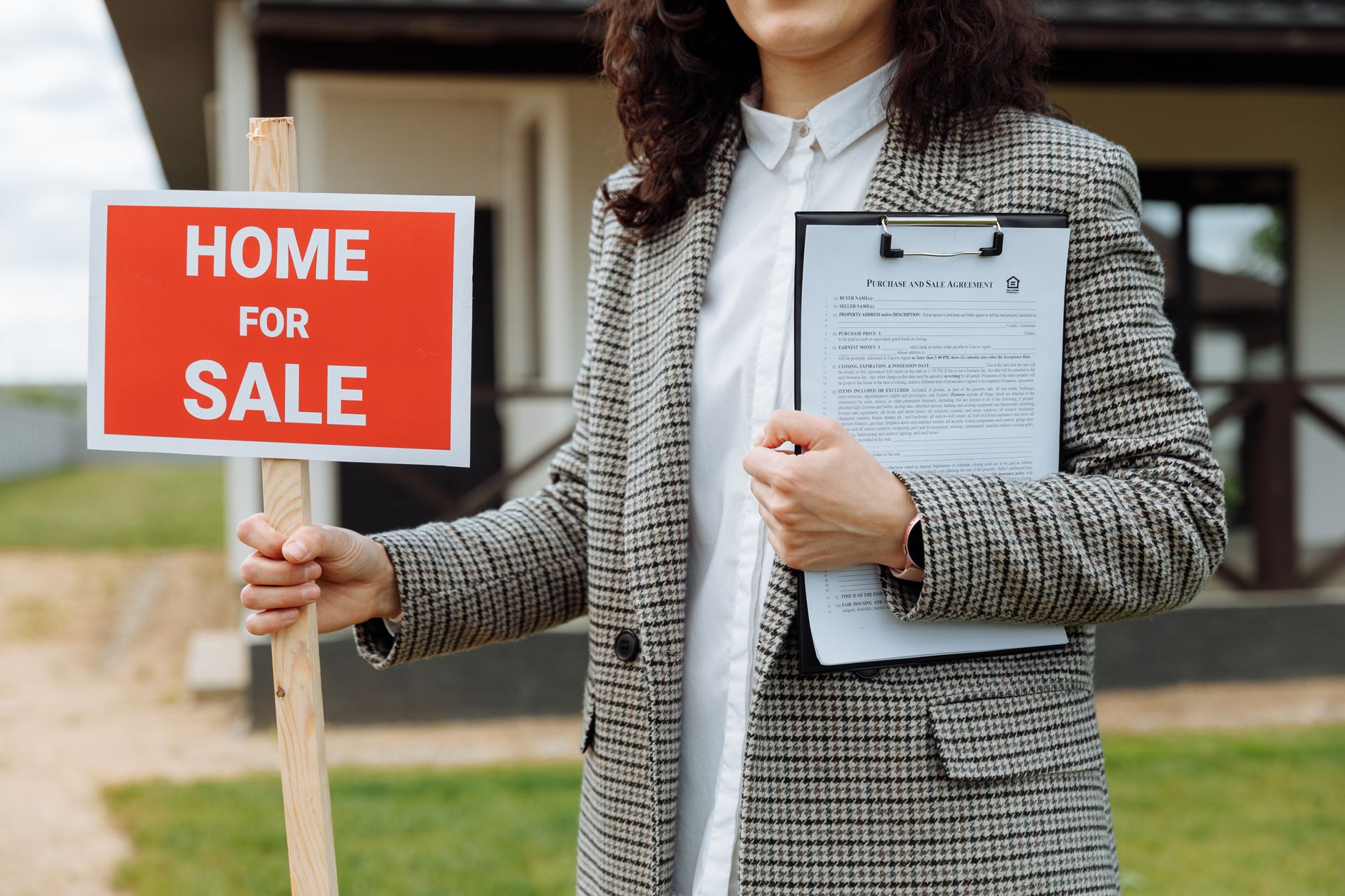
Partition applies whenever co-owners can’t agree and at least one wants out. It is available to any heir who holds a present ownership interest, not a mere expectancy. But Florida’s homestead protections under Article X, Section 4 of the Florida Constitution, combined with the life estate/remainder structure described in Fla. Stat. § 732.401, can complicate the timing and scope of a partition action involving a family home.
If a surviving spouse holds a life estate in the homestead with the children holding the remainder interest, the remainder owners generally cannot force a sale that displaces the life tenant during their lifetime, at least not without compensating or otherwise addressing that life estate interest. This is exactly the tension in Mullins: siblings with life estates still had enforceable possessory rights even after a probate order addressed homestead status. Any partition strategy involving a surviving parent’s home needs to account for this layered ownership before filing suit.
By contrast, where all heirs inherited as co-tenants in fee simple (no life estate, no remaining spouse) partition is usually straightforward. The court doesn’t need to weigh competing possessory rights; it only needs to determine ownership percentages and order a sale or division.
| Ownership Structure | Partition Outcome |
|---|---|
| Fee simple tenants in common (siblings, equal shares) | Partition generally proceeds; court orders sale and divides proceeds by share |
| Surviving spouse life estate + children’s remainder | Remainder owners typically cannot force sale against life tenant without addressing that interest |
| One heir occupying home, paying all expenses | Occupying heir may be entitled to credits/offsets before proceeds are split |
| Heir who never probated the estate (no clear title) | Partition may be delayed until probate establishes ownership percentages |
When Partition Doesn’t Apply, or Isn’t the Right First Move
Partition isn’t always the answer, and filing too early can waste money. If the estate hasn’t been through probate yet, title may not be clear enough for a partition court to even determine who owns what. In that scenario, the first step is opening (or finishing) probate so the court can confirm each heir’s percentage interest under the will or Florida’s intestacy statutes.
Partition also isn’t the right tool if the real dispute is about money, not title, for example, if one sibling has been collecting rent on the inherited house and not sharing it. That’s a claim for accounting and contribution, which can be combined with a partition action but requires its own set of allegations and proof. We cover that scenario in detail in co owner not sharing rental income how to file a partition action with an accounting in florida.
Finally, if there’s an enforceable restriction on transfer (such as a restrictive covenant or an agreement among heirs not to sell for a set period) Fla. Stat. § 712.01 and related marketable title principles may affect whether and how a partition sale can proceed free of old encumbrances. Before filing, a title search should confirm there isn’t a recorded restriction nobody remembered.
Common Mistakes Heirs Make With Inherited Property in Florida

- Assuming majority rules. Owning 60% of a house doesn’t let you evict, sell, or lease it without the other owners’ consent, only a court can force a sale.
- Ignoring the probate step. Filing a partition action before the estate is probated often leads to delay because the court can’t confirm clean title.
- Ignoring life estates. As Mullins shows, a probate homestead order does not automatically wipe out a sibling’s separate life estate interest.
- Letting one heir pay everything with no documentation. Mortgage payments, taxes, and repairs made by one occupying heir can become credits in a partition accounting, but only if tracked and proven.
- Waiting too long to act. The longer heirs disagree, the more likely deferred maintenance, unpaid taxes, or even a tax deed sale threatens everyone’s interest.
If you’re trying to recover money you’ve put into an inherited property before or during a partition case, review recovery of property expenses costs from a florida partition action for how Florida courts handle those claims.
For heirs facing an outright refusal to cooperate, our companion piece on how to force the sale of real estate in florida part 2 heirs property walks through the litigation sequence step by step.
Common Questions
What is the 7 year rule in Florida?
People often ask about a “7 year rule” in connection with adverse possession or boundary disputes, but there is no standalone “7 year rule” that applies specifically to heirs’ property partition in Florida. Adverse possession claims under Florida law require payment of taxes and specific statutory notice over a period of years, and they are rarely successful between co-owners who inherited together, since one co-tenant’s possession is generally presumed to be on behalf of all owners, not adverse to them. Don’t assume living in the house for seven years gives you sole ownership, it almost never does among siblings who inherited jointly.
Who pays for a partition action in Florida?
Generally, the costs of a partition action (including attorney’s fees and the referee or appraiser’s fees) are paid out of the sale proceeds before the remaining funds are divided among the co-owners, in proportion to each owner’s interest. Courts have discretion to adjust this if one party’s conduct caused unnecessary litigation expense, or to award credits for one heir’s payment of taxes, insurance, or mortgage on behalf of the group.
Can a half owner remove me from a house I inherited in Florida?
No. A co-owner (even one holding 50% or more) cannot simply remove another co-owner from an inherited house. Each tenant in common has an equal right to possess the whole property, regardless of percentage ownership. The only way a co-owner can force another out of shared ownership is through a partition action asking the court to divide the property or order it sold. If a life estate or homestead right is involved, as discussed in Mullins v. Mullins, 274 So. 3d 513, those possessory rights add another layer of protection that a partition order alone may not eliminate.
What if the heirs cannot agree on a partition?
When heirs can’t agree on whether to sell, who stays, or how to divide proceeds, any co-owner can file a partition lawsuit asking the circuit court to decide. The court will determine each person’s ownership share (informed by the probate record and any deeds) and order either a physical division (rare for a single house) or, far more commonly, a judicial sale with proceeds divided according to ownership interest, after accounting for documented expenses and credits.
Does probate have to finish before heirs can partition the home?
Usually, yes, or at least far enough along that ownership shares are clear. Under Fla. Stat. § 733.815, a personal representative may sometimes negotiate the sale or distribution of real property directly with interested parties during administration, which can resolve the issue without ever reaching a standalone partition case. If probate hasn’t addressed the property, a partition court may not be able to confirm who owns what, delaying the case until title is settled.
Bottom Line

Florida heirs property inherited home partition cases are common, but they’re rarely simple, probate status, life estates, homestead rights, and unpaid expenses all affect how a court divides the house and the proceeds. Before you file, or before you respond to a sibling’s partition lawsuit, get a clear picture of your actual legal interest. Call Zoecklein Law, P.A. at (877) 206-0022 to talk through your inherited property situation and figure out the fastest, least costly path forward.
Authorities Cited
- Mullins v. Mullins, 274 So. 3d 513 (Fla. 5th DCA)
- Fla. Stat. § 732.401
- Fla. Stat. § 733.815
- Fla. Stat. § 712.01
- Article X, Section 4, Florida Constitution (homestead references)